Top 5 Electrical Upgrades to Future-Proof Your Business

Your electrical infrastructure is likely to be more expensive than it needs to be. High energy costs, flickering lights, and that old ’90s circuit panel are more than annoying; they can cause big bills. Outdated designs can have a detrimental effect on you. You may feel unprepared when the lights go out or customers seek green choices, like EV charging.

The good news is that smart electrical upgrades can save you money. They can also boost efficiency and prepare your business for future tech needs. Imagine an automated lighting system that dims or brightens with its surroundings. Or, envision energy management software that finds energy waste. Backup systems keep your business running during a power outage.

This guide reveals five key electrical upgrades that pay off in the long run. These upgrades lead to a smarter, safer, and more profitable business. They can help you avoid costly peak rates, prepare for EV drivers, or stop wasting money on unused energy.

1.  Electrical Upgrade #1: Automated Lighting Systems

Your commercial lighting is likely wasting money. Automated lighting systems fix that issue. You can use smart LEDs, sensors, and a main app to adjust brightness, color, and schedules. There’s no need to flip switches by hand. Think of lights that dim when no one is in the room or get brighter as daylight fades.

This is how it counts:

  • You can save up to 50% on energy bills by implementing an automated lighting system.
  • Sensors turn off lights in empty rooms. “Daylight harvesting” uses sunlight to reduce artificial lighting. This system lowers artificial light when natural light gets brighter, so you won’t need as much full lighting during the day. This method saves energy and makes you a wise investor in the long run.
  • Automated lighting system boosts employee output. It adjusts bulbs to mimic natural daylight, from sunrise to sunset. Moreover, these lights reduce eye strain and help you concentrate better. As a result, business activities become more efficient.
  • Automated lighting shows you how safety works. Smart lights in dark stairwells and parking lots help prevent accidents and burglaries, making your space safer for employees and clients.

You can switch the buildings on and off with a remote control on your phone. Need to turn off the office lights? Do it from the comfort of your couch.

How to Roll It Out (Without the Headache):

  • Audit & Plan: Find where lights waste energy (dark conference rooms? Unused warehouses?). Choose areas to install sensors or dimmers.
  • Pick Your Tech: Choose wireless systems (like Bluetooth mesh) if rewiring is abhorrent. Add motion sensors, smart bulbs, and a central app.
  • Install Smart: The experts handle the wiring and sensor setup. They connect everything to your control hub, so there are no DIY nightmares.
  • Program & Test: Set the lights to turn off at 7 p.m. Choose scenes like BRIGHT WHITES for “Meeting Mode.” Then, test the sensor settings.
  • Tweak Live: Check stats (app alert for burned-out bulbs) and change settings. For example, dim lobby lights after 5 p.m.

Think about that 22-story Minnesota building. They replaced 3,600 old fixtures with Bluetooth-enabled LEDs. Now, tenants can control brightness by area. Energy use plummeted, and the lights dimmed as the bulbs lost brightness.

Smart LEDs can identify issues, and you can perform electrical upgrades on them from a distance, like on your phone. They also work with other tech. For example, lights can sync with security cameras or air conditioning.

Electrical Upgrade #2: Energy Management Software (EMS)

Face it, your business is likely wasting money on energy. Energy Management Software (EMS) stops it. Imagine a smart assistant that monitors every kilowatt your building uses. It tracks lights, AC, and equipment. Then, it alerts you with a shout: “Hey, fix this!” when it gets out of hand.

Why it’s a game changer:

  • EMS can cut bills by up to 29%! It spots energy leaks, such as air conditioning running in empty rooms, and makes automatic repairs.
  • Hit green targets. Track carbon footprints and cut emissions without guessing.
  • Shift energy use to off-peak times. This helps you avoid high costs and “surge pricing” from the grid.
  • No more meltdowns. Predict when equipment will fail before it fails.

Big companies like Schneider Electric use tools like PowerLogic ION EEM, which turn energy data into cash savings. MRI Software’s MRI Energy lets you track different locations from a single dashboard. It’s like Netflix for your electricity bills.

Getting started? Keep it simple:

  • Audit: Look where the energy is escaping (hint: check lighting and HVAC).
  • Pick your tool: Cloud-based ones like Hello Energy are plug-and-play.
  • Automate: Set rules like “7 p.m.: Turn off lights” or “AC adjusts if temperatures become hot.”
  • Watch the savings build up: Real-time dashboards show cash building up.

EMS insulates you against rising energy prices and the tighter green regulations ahead. Don’t worry about spreadsheets. Let the energy management software do the heavy lifting.
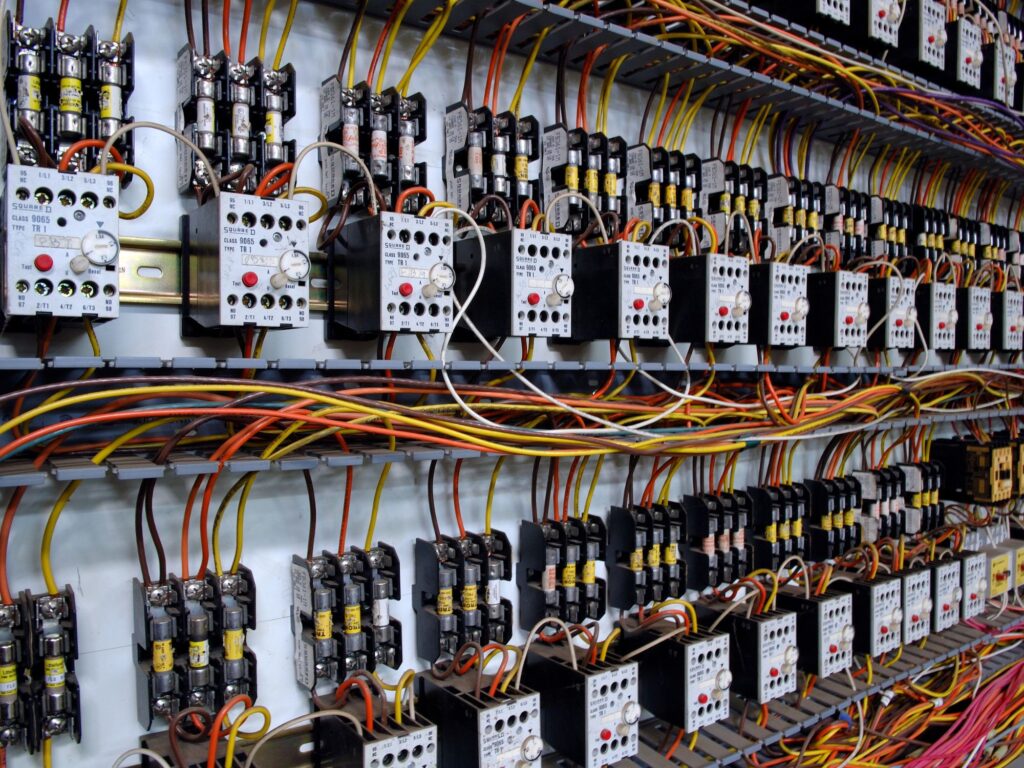
electrical wiring panel

Electrical Upgrade #3: Smart Electrical Panels

Your company’s electrical panel likely predates the office coffee maker. Smart electrical panels alter that reality. Web-enabled boxes trade cumbersome circuit breakers for live energy tracking and smartphone controls. It’s akin to infusing your building’s power system with an IQ.

Why upgrade?

  • Identify which circuits are wasting energy, such as the old HVAC, and shut them down from a distance.
  • Prevent costly electrical upgrades. Do you have an old 100-amp panel? Smart panels balance power needs. So, you can install EV chargers or solar panels without a costly $10k service upgrade.
  • Stay safe. Spot wobbly circuits or strange power spikes before they turn your wiring to ash.
  • Play nice with renewable. Connect your solar panels, batteries, and EV chargers. This way, you can see exactly where your energy goes.

Take a smart panel as an example. It lets businesses focus on power at night (keeping the fridge running, losing the neon sign). Schneider Electric’s Square D takes solar surplus and turns it into grid credits without needing any manual input.

How to ditch your dinosaur panel:

  • Audit: Find out if your current panel is gasping under A/C loads or EV chargers.
  • Choose your tech: Go for brands like Span (full replacement) or Lumin (Screwmend add-on).
  • Call a pro: A commercial electrician near you can handle wiring, apps, and solar/battery hookups.
  • Profit: Cut costs by 5-15% by removing vampire loads (such as the old vending machine).

Smart panels aren’t inexpensive (2k−5k+), but tax credits and no meltdowns are worth it. Future-proof? Yes. When your business adds more EVs or AI toasters, this electrical upgrade keeps the lights on—literally.

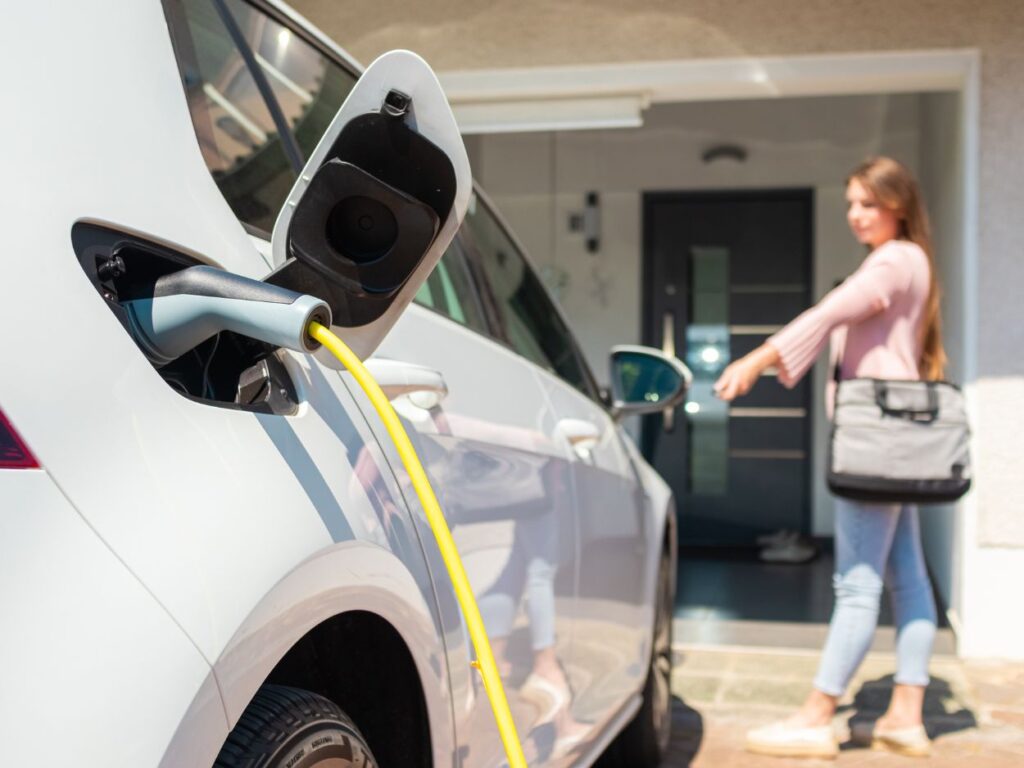
Electrical Upgrade #4: EV Charging Stations

Picture this: A driver charges their electric vehicle at your lot. They come inside for coffee and spend $50 while waiting. That’s the EV charging effect—convenience + profit. In 2022, consumers worldwide sold over 10 million EVs. Not taking advantage of this trend means losing out on profits.

Why it’s a win:

  • Engage high-spenders: EV owners spend over 30 minutes at charging stations. This is an excellent time for them to shop, eat, or browse.
  • Increase rep as Earth hero: 87% of customers opt for green companies. Chargers shout, “We care.”
  • Keep employees cheerful: Offer charging as a perk. Cheerful EV drivers = happy employees.
  • Cash in: Charge fees, sell ads on stations, or pocket tax credits (thank you, Inflation Reduction Act).

Industry behemoths such as Walmart are dropping chargers at thousands of locations. But you don’t need a mega budget. Even a few Level 2 chargers (i.e., office parks, hotels) can attract drivers.

How to start:

  • Audit your location: How many EVs visit here? Start small—2 to 4 chargers.
  • Grab incentives: Tax relief may cover up to 30% of expenses.
  • Select innovative partners: Companies such as ChargePoint handle setup, maintenance, and applications.

Future-proof move? Yes. EVs could dominate roads by 2030. Don’t let your business be that one with the “No EV Charging” sign. Plug in now—or watch your competitors grab the space.
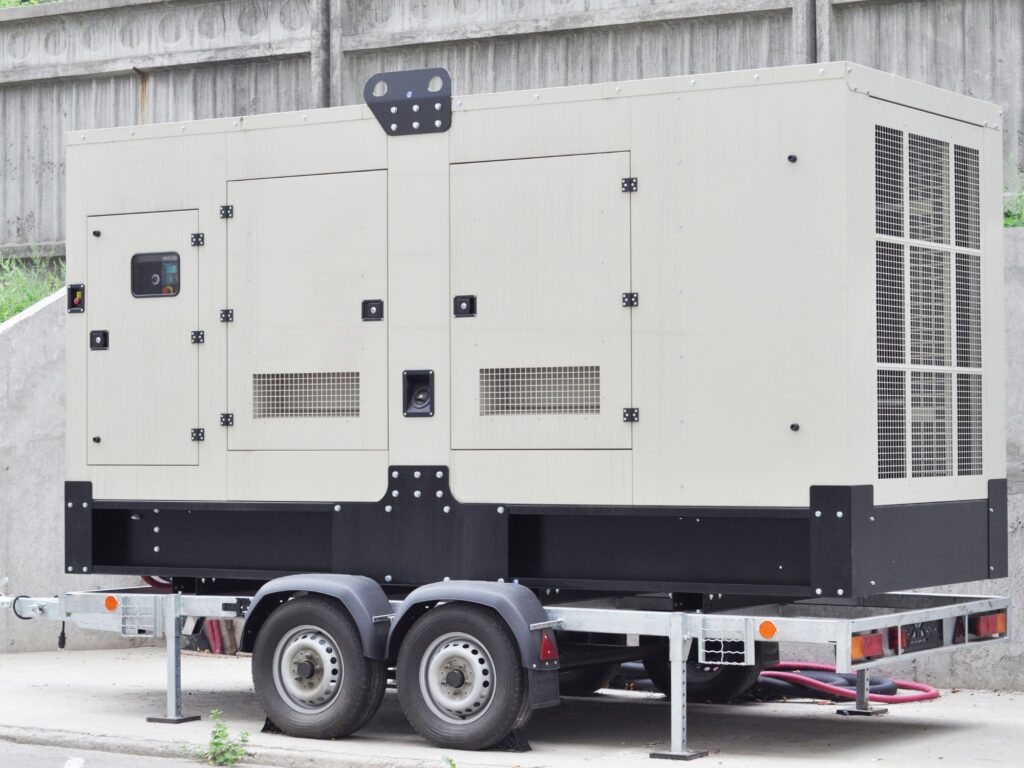
industrial backup generator

Electrical Upgrade #5: Backup Power Solutions

One power outage can turn your business into a cash-burning black hole. Backup power systems? They’re your safeguard against catastrophe. Generators hum as storms rage outside, or battery systems power servers during a blackout.

Why this matters:

  • Prevent downtime: A UPS (uninterruptible power supply) provides 5–30 minutes. This time lets you shut down devices and save files. Generators give you an hour—or even days—of backup time.
  • Protect precious devices: Surges fry servers and melt POS units, leading to losses.
  • Stay open when others can’t: Restaurants, hospitals, and data centers need “open” signs during outages.

Look to a high-end condo that gets an electrical upgrade and replaces its groaning old generator with a 4.5-ton monster. Blackouts now don’t raise an eyebrow. Or the radiologist who uses battery backups to keep diagnosing patients during storms.

How to start:

  • Audit: Vaccine-filled fridge full? Server room? Mark the items that you cannot remove.
  • UPS: Cheap, instant, short-lived (less than 30 min).
  • Generators: Diesel/gas for days of power. Loud, but reliable.
  • Solar-friendly Batteries: operate without noise, and require a higher initial investment.
  • Tax incentives: Uncle Sam is offering 30% credits for solar systems.

Outages, with climate mayhem and unstable grids, soared 78% over the past decade. Don’t be the biz left in the dark—get backups humming before the next storm strikes.

Finalizing Your Future-Proof Plan

Electrical upgrades are not only about avoiding huge bills or blinking lights. It’s about guiding your business’s electrical system into the future.

Start with smart bulbs that cut energy waste. Add EV charging to attract customers who focus on eco-friendliness. Consider backup systems that provide reliable support during power outages. Every step matters. These fixes aren’t just fixes. They’re investments. They save money, boost your reputation, and keep doors open when others close them.

With tax credits and easy-to-use technology, there’s no waiting. RNH Automation can help pick the right electrical upgrade or plug-in and help your business run smarter, safer, and stronger.
How to Reduce Energy Waste with Electrical Automation 

Both companies and households are reconsidering how they use power due to rising electrical bills and increasing environmental issues. Is there any positive news? Electrical automation is a beneficial tool that can be economical in managing energy wastage without compromising comfort or productivity. 

This blog explores various methods available for homes and businesses, from simple things like LED lighting and smart power strips to advanced systems such as automatic HVAC and occupancy sensors. Whether you want an immediate or long-term solution, discover how automation will change your energy habits and bottom line.

Common Energy-Wasting Habits in Electrical Systems

Almost 25% of households in the United States pay over 6% of their monthly income on energy bills. In contrast, the average home pays more than $1,600 annually in electricity bills. The good news is that there are easy, automation-friendly solutions for many daily behaviors that increase these expenses, which may reduce energy waste by up to 25%. 

We must find out where energy is lost and how to recover it. 

Lighting Leaks 

Energy is silently wasted by utilizing old incandescent light bulbs or leaving lights on in vacant spaces. Traditional light bulbs add needless kilowatt-hours, and 90% of their electricity waste is heat. Switch to LED lights, which last decades longer and consume 75% less energy. Connect them to smart lighting systems or motion-sensing switches to have lights turned off automatically when a room is empty.

Phantom Power Drain

Even when they are “off,” electronics like gaming consoles, TVs, and chargers use energy, which can cost up to $100 annually—these “energy vampires” lurk in standby mode, power clocks, and instant-on functions. Smart power strips prevent access by turning off inactive devices. Just unplug devices that you don’t use often.

HVAC Overdrive

More than half of household energy goes to heating and cooling. Systems must work harder when thermostat settings are amiss, or air filters are blocked. Smart thermostats save 10–15% annually by adjusting the temperature when you’re not home. Combine this with prompt filter replacements (set phone reminders!) to preserve efficiency and airflow.

Appliance Missteps

Regular trips to the refrigerator or half-full dishwashers add up. Underloaded dishwashers waste water and electricity, and every open refrigerator door allows cold air to escape. Plan your excursions to the refrigerator, and don’t use appliances until all the loads are full. Cold water successfully cleans laundry while using up to 90% less energy.

Overheated Water

Water heaters set at 140°F waste energy. Lowering the temperature to 120°F lowers expenses while still meeting daily demands. Bonus: To prevent heating water you never use, insulate hot water pipes and seal leaks.

Passive Energy Loss

Heat will leak through the windows during the summer, and there is inferior insulation in keeping heat in during winter—natural cooling by closing the curtains on hot days and then opening them at night. Use the opposite approach in the winter. Thermal curtains or smart blinds automate this procedure and block drafts to maintain temperatures. 

Combining thoughtful practices with contemporary automation, such as power strips, thermostats, and bright lighting, may save you money. One tiny change at a time: you’re preparing your house for the future by preventing waste. 

Electrical Automation Solutions for Maximum Energy Savings

Imagine cutting energy expenses to 70 percent without losing productivity and comfort. Advanced electrical automation systems capable of intelligent adjustments to the environment, habits, and weather make this a feasible option. These solutions are valuable tools to change how homes or businesses consume energy rather than being considered mere futuristic tools. 

Let’s review three revolutionary technologies that assure efficiency and savings in the long term.

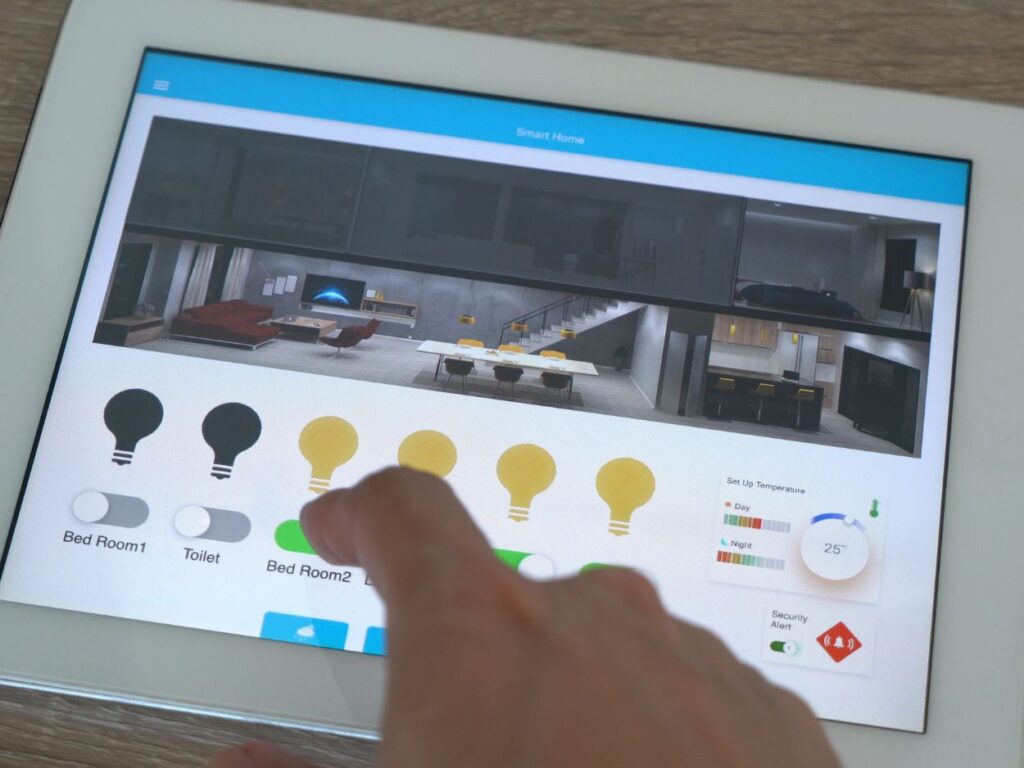
a smart lighting system. A finger swiping on a tablet that is displaying different light bulb toggle switches

Smart Lighting: Shedding Light on Savings 

Almost 15% of the power used worldwide is for lighting, while automated systems are turning on waste. These systems ensure lights only turn on when and where required by combining motion sensors, daylight detectors, and adaptive controllers. For instance:

  • Occupancy sensors in home bathrooms or workplace conference rooms automatically switch down the lights when the area is vacant. 
  • Daylight harvesting dims lights near windows on bright days by adjusting artificial light levels according to natural sunshine. 
  • Smart systems work well with smart LEDs, which consume 75% less energy than conventional bulbs, increasing savings.  

The Italian Association of Lighting Manufacturers claims smart lighting can cut energy usage in half. Motion-activated zones in warehouses may cut use by up to 70% while scheduling and dimming in residences can save 20–40%. What’s the key? Go for smart Systems that can “learn” your living space and adapt to it in real-time. 

Smart Thermostats: Climate Control, Minus the Waste 

More than half of a building’s energy budget contributes to heating and cooling. Smart thermostats address this by getting to know your surroundings and routines. For example, the sophisticated HVAC system at the GVS Smart headquarters reduced energy consumption by 50% with:

  • Using weather forecasts to pre-cool or pre-heat areas before temperature rises is known as predictive adjustments.
  • Zoning involves separating underused areas, such as vacant offices, at night to prevent unoccupied places from being conditioned. 
  • Incorporating adaptive learning to educate HVAC runtime during off-peak hours by memorizing occupancy patterns by heart.

This implies that homeowners won’t have to turn on the heat all night and will wake up to a comfortable home in the winter. Centralized controls that modify settings across whole floors help businesses save money without sacrificing comfort.

Smart Power Management: Slaying Energy Vampires

Did you realize inactive electronics secretly consume up to 10% of your energy bill? This “phantom load” is removed by smart power strips and programmable outlets, which switch off gadgets’ power when unused. For instance: 

  • Scheduled shut-offs: Turn off holiday decorations at sunrise or home office equipment automatically after work. 
  • Energy monitoring: Use applications to find energy-hungry appliances (such as outdated refrigerators) and modify their use. 
  • Integration of voice: To simplify control, use instructions such as “Alexa, turn off the entertainment system.” 

In business environments, smart strips in lobbies or break rooms prevent chargers, TVs, and microwaves from using electricity all night. Combined with IoT-enabled technologies, they may provide real-time information to improve routines further. 

The Bigger Picture: Long-Term Gains

Long-term investments in resilience rather than short-term savingsAutomatisation allows self-generated electricity stored by peak demand with renewables such as solar panels. Sensors from predictive maintenance systems. Forecasting HVAC problems before they become too serious will help organizations avoid expensive repairs and wasted energy.

What’s the outcome? Smarter, cleaner, and less expensive homes and companies. Automation transforms daily energy waste into long-term efficiency, whether it’s a thermostat that learns your routine or lights that change to the sun’s beat. Upgrade only one thing, and you’ll see the savings and environmental impact. 

Supporting Automation Technologies to Amplify Savings

Consider your house or place of business as a living ecosystem, with HVAC, lighting, and other gadgets running in the background. But what if you could educate this ecosystem to “breathe” effectively and reduce waste without effort? Supporting automation technologies accomplish this, serving as the unsung heroes of more intelligent energy utilization. Look at three tools to boost your savings while operating in the background. 

Motion & Occupancy Sensors: Your Energy-Saving Sidekicks

Picture entering a conference room where the lights flicker on, and the air conditioner adapts to your presence before shutting off as soon as you leave. Occupancy and motion sensors make this feasible. These devices use movement, sound waves, or heat signatures to identify activity—or lack thereof—and then send signals to systems to turn on or off.

  • Customized Detection: Passive infrared (PIR) sensors detect body heat and are perfect for toilets or workplaces. Ultrasonic versions employ sound reflection detection to cover more significant areas, such as warehouses. Dual-tech sensors utilize both techniques to minimize false triggers in challenging regions.
  • Savings in Action: Offices that use these sensors save 20–40% on lighting expenses. For instance, ultrasonic sensors might be used in a high-ceilinged warehouse to ensure that lights illuminate only filled aisles, preventing lights from being used constantly. 
  • Smart Setup: Pair sensors with programmable time delays to avoid compromising convenience and energy savings (for example, turn off lights after 15 minutes of inactivity). They maintain their accuracy with routine calibration in line with standards like ISO 50001.

Power Monitoring Tools: Your Energy Translator

Which gadget causes your energy cost to rise without anybody noticing? Devices and applications for power monitoring serve as interpreters, translating your energy use into helpful information.

  • Real-time tracking: Smart plugs or strips, such as Kasa from TP-Link, track how much energy your coffee machine or TV uses. With apps like Sense, which expose hidden drains like an old refrigerator or an idle game console, utilization patterns are easy to understand. 
  • Automated Adjustments: Schedule devices based on these findings. For example, limit Christmas decorations to dusk-to-dawn operation or set smart plugs to turn off home office equipment after hours.
  • Big-Picture Management: Companies may use platforms like Schneider Electric’s EcoStruxure to monitor energy usage throughout buildings. These platforms can identify inefficiencies instantly and redirect electricity to areas that need it most. 
  • Energy-Efficient Circuits: The Silent optimizer circuits serve as electrical highways behind your walls. Waste doesn’t block these roadways because of energy-efficient automation. 
  • Smart Load Management: During business hours, systems shut off power to inactive devices and prioritize critical ones, such as servers. Consider it the electrical equivalent of a traffic controller.
  • Predictive Shut-Offs: Pair circuits with occupancy data to deactivate any idle zones. For instance, a smart thermostat may turn off air conditioning on vacant floors at night. 
  • Future-Ready Wiring: Fiber-optic-enabled circuit upgrades minimize energy loss and facilitate automation hubs, resulting in a smooth network that adjusts to your routine. 

The Synergy Effect

When these tools are combined, they produce a ripple effect. Practical circuits redistribute conserved energy; sensors identify vacancies and monitoring applications warn of inefficient equipment. For example, a retail store may utilize occupancy sensors to turn down the unoccupied lights in aisles and power monitors to redirect excess energy to refrigerated units during peak hours. 

Pro Tips for Success

  • Match Sensors to Spaces: Use dual-tech when precision is essential (stairwells, for example), ultrasonic in wide spaces, and PIR in compact spaces.
  • Calibrate Often: You can lose ten to twenty percent of possible savings due to poorly adjusted sensors—plan examinations to keep your performance at its best. 
  • Start Small: Start with a single sensor-equipped room or a smart plug. As you observe outcomes, scale. 

Integrating these technologies into everyday operations creates a responsive, self-aware workplace that values efficiency rather than merely cutting expenses. The best thing about AI tools is that they operate quietly. You rest and relax while they work.

3 LED bulbs

Quick Electrical Automation Wins for Immediate Savings

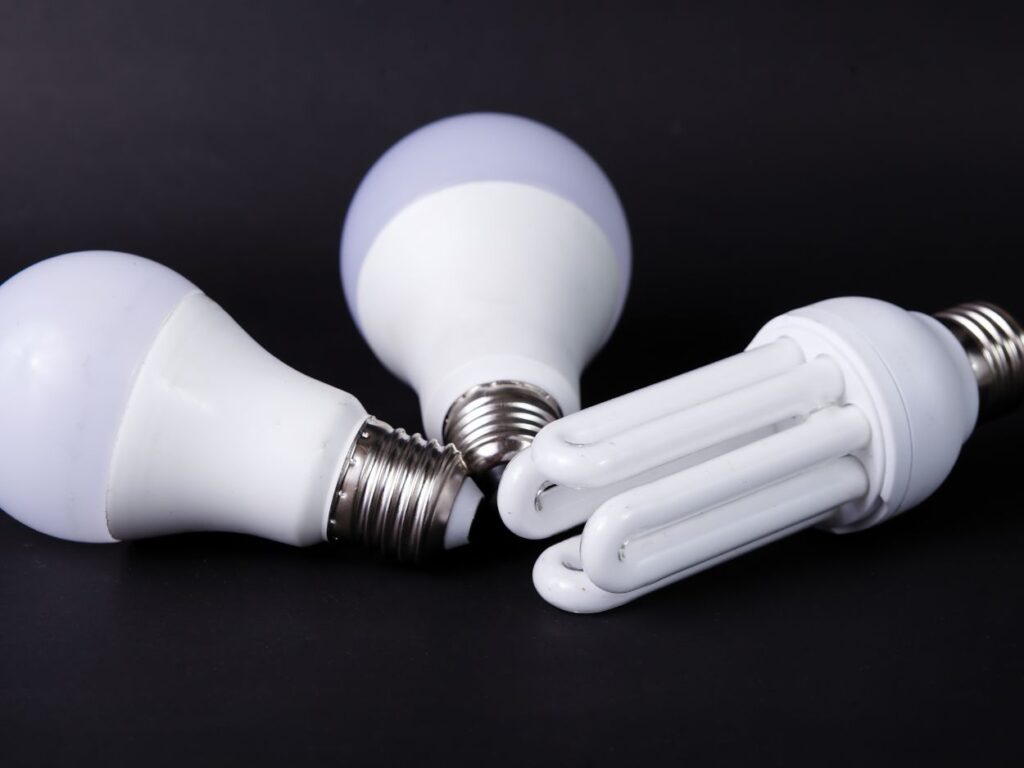
Simple electrical automation solutions are an alluring method to save money on energy costs right now without undertaking a significant overhaul. Switching to energy-efficient LED bulbs for your lighting is one of the easiest and most affordable solutions. LEDs have a much longer lifespan and consume less energy than conventional incandescent lamps. A 10-watt LED could save electricity compared with an ordinary 60-watt bulb, especially in a household or business place. However, the advantage comes best when these LED lights are combined with the most straightforward automation functions. 

Adding motion sensors to your LED system can have a mighty impact. It ensures that the lights only turn on while in use in close spaces like hallways or outside areas. This will save energy and prevent one from remembering to switch them off. For example, lights that switch off when the area is not occupied save much energy in busy offices. Consider adding daylight sensors to save as much cash as possible. These devices help ensure that you do not use too much energy during the day by adjusting the brightness of your LEDs in response to natural light streaming in.

Smart power strips and intelligent surge protectors are another straightforward win. The truth is that even when most household appliances are turned off, they still consume energy; this is referred to as phantom energy consumption. A smart surge protector counters this by cutting off the power to all the connected devices whenever they are not in use. You can configure your desk computer, game console, or TV to go down automatically, thereby preventing the waste of energy. For a simple energy-saving boost, install some versions in areas like your workplace or home theater, including extra features like timers or built-in sensors. 

It does not cost much to get started on the energy efficiency journey. Light bulbs should be the first thing to be upgraded. Secondly, install a smart surge protector that counts for some areas in high traffic or heavy usage. This would cut costs at the end of the month. Still, it’s also adding those easy, inexpensive changes toward more automated solutions in the future. Often, the most straightforward solutions are the most effective; in this case, creating an economical and ecologically friendly atmosphere takes only a few changes.

Implementation Steps for Homes and Businesses

Are you prepared to transform your area into a powerhouse that uses less energy? This detailed guide makes electrical automation easy and efficient for company managers and homeowners.

Step 1: Audit Energy Usage

Recognize where your energy is going first. Apps like Sense or Emporia Vue monitor homeowners’ use in real-time, exposing hidden drains like idle electronics or an aging refrigerator. Companies with intricate systems should consider hiring experts to do energy audits. These audits target high-impact changes and offer a thorough description of inefficiencies.

Step 2: Prioritize Upgrades

Upgrades are not all made equal. Start with the fundamental adjustments:

  • LED Lighting: Replace incandescent bulbs with LEDs to save up to 90% on lighting expenses.
  • Wiring Upgrades: Antiquated wiring should be replaced to allow automation and reduce energy losses.
  • Add Automation Features: Motion sensors and smart thermostats for even more significant savings when the fundamentals are in place. 

Step 3: Integrate Systems 

Use a primary hub to tie everything together. Innovative assistants like Google Home or Alexa can control your house’s outlets, lights, and thermostats using a single app. Companies may automate lighting, security, and HVAC throughout their facility by investing in Building Management Systems (BMS).

Step 4: Monitor and Adjust

The answer to automation is not “set it and forget it.” Use monitoring tools to monitor performance and adjust settings. For instance, fine-tune lighting brightness to correspond with sunshine levels or modify thermostat schedules depending on occupancy data. 

Following these procedures will turn your area into an efficient model, improving it individually. Watch the savings increase as you start small and scale wisely.

Conclusion

ElectronicElectronic automation-powdered advanced power strips, occupancy sensors, smart light bulbs, and smart thermostats can efficiently reduce energy waste can efficiently reduce energy waste. These solutions reduce your carbon footprint, increase the value of your home, and reduce costs. 

Which one of these is best? Redesigning your entire system is not a necessity. You can begin by introducing one upgrade, such as installing a thermostat or switching to LEDs. From there, anything is possible. Small steps taken now will lead to huge savings later.

Are you prepared to manage how much energy you use? Start your automation adventure now and see how your house or place of business becomes more intelligent, eco-friendly, and productive. 

EV Charger Installation – What You Need to Know

Since one in seven new automobiles produced worldwide is now electric, electric vehicles are no longer a future curiosity but are changing mobility. Convenient and affordable charging is still a significant issue as EVs occupy driveways. Many owners are left frantically looking for plugs when public stations cannot keep up.

This tutorial provides straightforward instructions for first-time users, eliminating any uncertainty about installing home chargers. You’ll also discover how to avoid typical hazards when selecting the appropriate equipment, navigating permits, and utilizing incentives. 

Beyond convenience, a home charger lowers your carbon footprint, increases property value, and offers long-term benefits. Consider it your first step toward stress-free EV ownership, not just an upgrade. 

Why Install a Home or Business EV Charger? 

Owning an EV charger isn’t simply a luxury as EVs become more and more commonplace; it’s a game-changer. Here are several reasons to buy an EV charger, regardless of whether you own a house or a business.

For Homeowners: Savings, Convenience, and Future-Proofing

Charging at home reduces expenses and anxiety. Home charging allows you to get cheaper power, especially if you charge overnight when rates decrease. At the same time, public stations sometimes demand premium rates. This can save hundreds of dollars over time compared to gas or public plugs. Picture yourself waking up to a fully charged battery this morning after you plugged it in overnight, never again to stand in line for a charger. 

EV chargers are now almost a novelty in the real estate market. Having one readily available might sell the house, as many buyers place more emphasis on sustainability. Combine it with solar panels, and you could become energy-independent and significantly lessen your carbon footprint. Additionally, smart chargers provide control by enabling you to plan sessions or track consumption remotely. 

For Businesses: Attract, Engage, and Profit

EV chargers are popular in businesses and residences. EV owners spend more money and remain longer while their vehicles charge. According to recent MIT research, retailers who offered chargers experienced a 37% increase in client spending. Offering charging as a reward to employees improves office morale and draws talent, particularly for environmentally concerned companies. 

Chargers can also generate income for businesses. You can charge them per session for access to charging stations, charge a membership fee, or give it away as free attractions. While charges might be one way to earn money, they also prevent the competitive market charge from wooing away drivers from you in your sustainability goals – thereby winning reluctant investors or even disinterested consumers. This edge presents the ability to differentiate from the competition. 

Incentives Sweeten the Deal

Utilities and governments provide rebates and tax credits to help defray the cost of installation. While companies frequently qualify for incentives, particularly for high-speed stations, homeowners may be able to recoup 30% of setup expenses. With these incentives, electric vehicles are economically viable and rational.

In the face of these conditions, considering an EV charging infrastructure facility is becoming indispensable since EVs are here to stay. Homeowners should consider factors such as staying ahead of friends and family, saving some dollars, and sheer convenience. It combines smart revenue, staff happiness, and customer attractiveness for organizations. Installing a charger would be a practical step towards a cleaner, more efficient future. 

Level 1 and Level 2 EV chargers: Which best matches your lifestyle? 

For the uninitiated, choosing the right charger for your electric vehicle can be like learning a whole new language. However, it does not have to be that hard. Here is an easy-to-understand breakdown of your options. 

Level 1 chargers: The time-taking option 

Level 1 charging is like charging your phone overnight. With the portable connection, most EVs plug into the ordinary 120V power outlet with lamps or TVs. It is quite an easy, inexpensive, no-special-installation-required option, although slow. A complete charge can take a day or longer with just 3–7 miles of range added every hour. This may work for a plug-in hybrid or someone with a short commute. However, you will soon reach your limits if you drive more than 40 miles per day. Wouldn’t it be challenging to begin each day with a decreasing battery buffer?

Level 2 Chargers: The Everyday Powerhouse

Level 2 EV chargers are the daily powerhouse for current drivers because they offer efficiency and convenience that slower options cannot match. They have a 20–40 mile range per hour using a dedicated 240V circuit, which makes them perfect for regular trips and overnight home charging. Level 2 chargers fit easily into your lifestyle because of their low initial costs and simple installation. By lowering dependency on the grid, they encourage energy independence and provide notable savings compared to public charging. Level 2 chargers allow you to drive toward a cleaner, more sustainable future by improving your home’s energy configuration or maximizing the performance of your electric vehicle.

Why Level 2 Wins for Most Drivers 

Let’s face it: Level 1 serves its purpose until life interferes. Perhaps your battery is depleted by an unforeseen errand, or you forget to plug it in one evening. Level 2 gets rid of that worry. Consider Sarah, who travels 63 miles every day. Overnight, she would hardly regain half of her range with Level 1. Thanks to Level 2, she may wake up every morning with a full tank.  Features like energy tracking, smartphone controls, and longer cords make life easier.

Level 2 is where practicality and convenience intersect, while Level 1 is ideal for a starting point. Investing in Level 2 makes sense if you park outside, drive frequently, or wish to conserve energy. It’s about integrating EV ownership into your life smoothly, not simply about speed. Still not sure? Is my present charging configuration allowing me to keep up, or is it causing me to fall behind?

woman standing outside a white sedan with an EV charger plugged into it

Key Installation Considerations: Setting Up Your EV Charger Right

You made the wise decision to install an EV charger at home. Still, you must prepare before you can start dreaming of hassle-free charging. Consider building a house: You want a strong foundation so your future is not troubled. Below are some things you should consider to keep your setup secure, workable, and long-lasting. 

Check the Electric System for “Bandwidth”

The primary component of your home’s electric panel is the center of your supply circuit. Just as you wouldn’t put ten appliances into one outlet, your panel should have enough capacity for the charger and all other devices. Most older houses were fitted with 100-amp panels, which may not be able to handle a Level 2 charger drawing anywhere from 30 to 50 amps. While upgrading to a 200-amp panel is best, an electrician can calculate load to determine whether your existing configuration works fine. 

Pro tip: If your panel is fully charged, smart load management and similar technologies can prioritize charging without overloading circuits. 

Location, Location, Location

You might be surprised to learn how important the location of your charger is. Choose an area that’s: 

  • Near your parking space: Less expensive installation and fewer trip risks result from shorter cable lines. 
  • For outdoor charges: Weatherproof standards are necessary; check for “NEMA 4” enclosures. If you’re in a wet location, consider a covered installation. 

It’s easy to access and helps clear confined areas and tight corners. You’ll be grateful when you plug in during a deluge.  

Safety Isn’t Optional

Cutting shortcuts is not an option because EV chargers consume much power. Always get a licensed electrician; doing it yourself runs the danger of causing fires or damaging your vehicle. They can make sure that everything complies with local laws and the National Electrical Code (NEC), including GFCI protection and appropriate grounding. Bonus: Professional installation is necessary for many rebates and incentives.

Permits: The Necessary Evil

Permits are your safety net, even if they might be a pain. They must verify that your configuration complies with the code in most cities. Ignoring this step may result in penalties, invalid warranties, or even problems with your insurance. Although your electrician often handles the paperwork, find out whether your landlord or HOA has any regulations (renters: certain states have “right-to-charge” legislation to aid!). 

Future-Proof Your Setup

Consider adding a second EV down the road. Are you planning solar panels? Talk to your electrician about this. It is more cost-effective to install a more significant conduit or circuit today. Wi-Fi smart chargers are also worth looking into because they allow you to check energy use and plan charging for off-peak times (yay, lower prices!).

The “Hidden” Perks

Function is only one aspect of a sound installation. A strategically positioned charger may increase your house’s exterior appeal and value. If appearance is essential, use sleek, low-profile designs and integrated holsters to keep cords neat. Pedestal mounts keep ports off the ground if you’re in a snowy location.

Although installing an EV charger is not difficult, it is also not a weekend effort. Don’t skip the permissions; work with an expert and make plans. With some work, you can now enjoy years of stress-free charging and more time spent savoring the peaceful hum of your electric vehicle. 

Keep in mind that your charger is an investment in the long run. Think about it as one. 

Cost Expectations and Energy Usage: Balancing Upfront Investment and Long-Term Gains

Let’s discuss numbers. Putting an EV charger at home is expensive but still pays off often. There’s much to expect during these times, and here’s how to stretch budgets. 

Upfront Costs: Level 1 versus Level 2. 

The less expensive choice is Level 1 chargers, similar to your typical wall outlet. If your home’s wiring is ready, you may have to pay $300–600 for the equipment. However, expenses may be $2,000 if you want new outlets or panel changes. Level 2 chargers are the preferred option for quicker and more effective charging, costing between $400 and $1,500 for the device and between $700 and $2,500 for expert installation. What made you jump? Similar to what your dryer uses, they need a 240V connection and occasionally electrical improvements. 

What Drives the Price Tag?

Three major factors:

  • Your Home’s Wiring: Older homes may require panel modifications ($500−2,500) to manage the additional load.
  • Complexity of Installation: Longer wire lengths or intricate designs lead to more labor time. 
  • Fees and Permits: Your electrician handles permits needed in most places ($100–500). 

Slash Costs with Incentives

The good news is that 70% of US states provide tax credits or refunds. The federal government covers 30% of home charger installation expenses, up to $1,000. California’s “ChargeUpLA!” program provides up to 500, while utility programs in New York cover a portion of your setup. More substantial incentives, such as the Alternative Fuel Tax Credit (up to $30,000), are available to businesses and multifamily units. Expert advice: Use online rebate finders to uncover hidden discounts based on your zip code.

energy bills and a calculator

Energy Use: Smarter charging = Smaller Bills

Innovative practices keep expenses low, but charging an EV at home increases your power bill by 20–30%. Pick time-of-use rates, which give electricity at night at a lower rate, or connect your charger to solar panels. Level 2 chargers have 10% higher efficiency than Level 1 chargers. Compared to gas, such efficiency can save 6,000–6,000–12,000 over ten years, and you’ll also avoid public charging markups. 

The Bigger Picture

Indeed, if everyone charges during peak hours, EVs burden the system. However, off-peak scheduling and smart chargers aid in demand balancing. Not to mention the environmental benefit: Switching to electricity reduces emissions, mainly if you include renewable energy sources in your power mix.

Consider your charger as a long-term investment. Convenience, savings, and a reduced carbon impact make the initial expenditures worthwhile with incentives and energy-saving measures.

Future-Proofing Your EV Charging Setup: Stay Ahead of the Curve

Like a smartphone, replacing your EV charger every few years will be unwise because technology constantly evolves. Here’s how to create a configuration that adapts to your needs: 

Upgrade Your Electrical Panel

Suppose the electrical panel in your house is older than your favorite pair of jeans. In that case, it may not be able to handle future demands. Modern panels (200 amps or more) can power multiple EVs or high-speed chargers. Subsequently, adding a second electric car or a quicker charger prevents expensive rewiring.

Choose Smart Chargers

Not all Wi-Fi-enabled chargers are decorative. They enable you to modify power use if your grid is under stress and plan charges for off-peak times, which can save you money. Some even put your house on a smart electrical diet, which balances the energy usage of your EV and household appliances. 

Plan for Expansion

Install modular solutions that make it simple to add ports for businesses and homes with many cars. Consider it similar to constructing with LEGO blocks: begin small and grow gradually.

Bidirectional Charging: The Next Frontier

Imagine selling energy back to the grid or using your EV to power your house during blackouts. Chargers with this feature are starting to appear on the market as this “vehicle-to-grid” technology develops. Choosing a compatible model at once ensures you’ll be ready to switch tomorrow, even though it’s not yet widely used. 

Having a little foresight now will save you money and hassles later. Your charger will age like a fine wine if you invest in flexibility rather than last year’s technology. 

Final Thoughts

Installing an EV charger is a helpful step toward contemporary living and goes beyond simply keeping your car charged.

The obvious advantages include cutting charging expenses and avoiding congested public stations. The investment becomes apparent when combined with incentives that reduce up-front costs. Beyond individual benefits, however, each charger reduces our need for fossil fuels and moves us one step closer to a more environmentally friendly grid. 

Are you prepared to change? Speak with a qualified electrician to create a configuration that works for you. Your decision to charge more intelligently at home streamlines your daily routine. It contributes to a cleaner, quieter future as EVs transform roadways throughout the globe. One plug at a time, let’s make the shift. 

Smart Electrical Panels: The Future of Home Energy Management

The July afternoon is hot and muggy. The dishwasher is on its third cycle of the day, the electric car is charging in the garage, and your air conditioner is humming nonstop. The lights flicker suddenly, and your decades-old electrical panel is groaning under the strain of contemporary living, threatening to throw your house into disarray. These situations are all too every day as houses today struggle to meet energy needs that were unthinkable only ten years ago.  

Our reliance on power has increased dramatically due to devices like EVs, smart gadgets, solar arrays, and house batteries. However, many homes still use electrical systems built for a simpler time.

Grid instability brought on by climate change, rising utility costs, and the need for sustainable living have made energy management a challenging problem. Conventional solar panels are dependable for essential tasks. Still, they are not intelligent enough to properly store solar energy, power gadgets, and charge automobiles. The outcome? Missed chances to use cleaner electricity, increased expenses, and safety hazards. 

But what if your house has the same capacity for dynamic thought as yours? The silent revolution that changed how we power our lives was the introduction of smart electrical panels. These solutions transform every watt into a stride toward a more intelligent, secure, and sustainable future by fusing automated control with real-time information.

What Is a Smart Electrical Panel?

The electrical panel in your house is the unsung hero of the house; it silently runs everything from your late-night Netflix sessions to your coffee maker in the morning. However, like replacing a telephone with a smartphone, installing a smart electricity panel turns this unassuming hub into a powerful source of contemporary control and convenience. 

Conventional panels distribute power and activate breakers in the event of an overload. However, a smart panel goes one step further and functions as a personal energy management system. Imagine having a dashboard that allows you to control circuits from your phone, showing you precisely where your electricity flows. It even works with solar panels or batteries to keep your lights on when the power goes out. That’s how being clever works. 

This is how it operates: Connectivity with Bluetooth or Wi-Fi transforms your panel into a data wizard. On a hot day, you may watch how much energy each circuit uses in real time and make remote adjustments. Did you forget to switch off the oven? You can solve this issue with a few taps on an app. Additionally, smart panels work nicely with EV chargers and solar systems, focusing energy where it’s most needed—much like a traffic officer relieving traffic. 

Safety is also improved. These panels anticipate issues rather than merely respond to them. Like a smoke alarm that puts out sparks before they ignite, the panel may cut off a circuit when it reaches its limit, preventing a fire. 

And for houses using solar energy or electric vehicles? Smart panels are future-proof partners. By making the most of what you currently have, they prevent expensive upgrades by balancing high-demand gadgets (like EV chargers) and daily necessities. 

A smart electrical panel offers peace of mind in addition to an update. It makes your house safer, reduces energy waste, and easily integrates with modern technology, saving money. This is the brain your home’s electrical system deserves, whether you’re using it to charge your vehicle, capture sunshine, or want a more straightforward approach to control electricity. 

Benefits of Smart Electrical Panels: Powering Smarter, Safer Homes

While conventional panels maintain the fundamentals, smart electrical panels improve performance by balancing control, safety, and efficiency like never before. These cutting-edge centers revolutionize energy management and provide tangible benefits for your pocketbook, safety, and the environment. 

Let’s examine the reasons behind their growing importance in contemporary households.

Energy Efficiency Made Effortless

A smart panel measures electricity usage in real time, like a fitness app for your home’s energy habits. It displays the precise location of power flows. 

Seeing a surge when the air conditioner turns on? Modify consumption or allow the panel to automatically move high-demand activities (such as EV charging) to off-peak times when prices get low. This lowers utility expenses and is handy. 

Additionally, your house becomes a miniature power plant with seamless solar panels or battery integration. To minimize grid reliance and optimize renewable investment, store sunlight at night or reroute extra energy needed during blackouts. 

Safety That Acts Before You React

Older panels only react when anything goes wrong, much as smoke alarms. 

On the other hand, smart panels function as watchful protectors. They identify unseen threats, such as frayed wires that can produce hazardous sparks (arc faults), and cut off impacted circuits before fires begin. Whether at home or traveling, get real-time notifications on your smartphone about overloads or short circuits. Another line of defense is remote shut-off features, similar to carrying a fire extinguisher in your pocket. 

Control at Your Fingertips

Guessing which breaker controls the lights in the basement is a thing of the past. Thanks to smart panels, every circuit is displayed on your phone’s screen. 

Did you forget to switch off the oven? To turn off the electricity, tap an app. Organizing a trip? Put non-essentials (such as pool pumps) on standby. Your lights, thermostat, and EV charger will work together seamlessly when you pair them with smart home systems, increasing comfort and reducing costs.

A Greener Footprint, Automatically

These panels are revolutionary for environmentally minded households. They reduce your carbon footprint without requiring any effort on your part by giving priority to solar energy or battery reserves during periods of high grid demand. Like a self-driving car chooses the most efficient path, picture your house subtly preferring sustainable energy sources over fossil fuels.

Future-Proofing for What’s Next

With EVs, induction stoves, and heat pumps, homes use more electricity than ever. Smart panels avoid expensive updates by adapting gracefully. They ensure your house remains compatible with modern technology by updating it with new capabilities, much like a smartphone. 

Upgrading your panel is not only wise but also necessary if it is over 20 years old or has flashing lights. Smart electrical panels transform routine energy management from a job into a superpower by combining sustainability, safety, and cost savings into a single, elegant package. They are the astute homeowners of today, not simply the future. 

Use Cases of Smart Electrical Panels

A smart electrical panel is essential for balancing energy flow and maintaining smooth operation. This is how it is changing daily life: 

Keeping Up With Modern Energy Demands

Ten years ago, most individuals didn’t think about powering a home office or charging an electric vehicle (EV). These gadgets are necessities nowadays, yet they’re power-hungry. Smart panels monitor your home’s energy consumption in real-time via your phone, functioning as a “power traffic cop.” When your gaming PC, EV charger, and air conditioner vie for energy, they automatically balance loads to save circuits from tripping. Consider it a kind of electrical diet plan for your house: the panel ensures that no one appliance uses too much power, maintaining the health of your system.

Powering the EV Revolution

Almost one-third of automobiles sold by 2030 may be electric. However, charging two EVs overnight without a smart panel is wasteful and sluggish, similar to filling several bathtubs with a single faucet. 

Smart panels intelligently divide electricity or prioritize which car charges first, guaranteeing both are ready by morning. Some even enable you to use your EV battery as a backup power source by allowing you to “borrow” energy from it during periods of high demand. Electricity is similar to having a piggy bank: you save money while rates are low and make prudent purchases when they rise.

Maximizing Solar Savings

Smart panels are the ideal companion for homes that have solar panels. They monitor your panels’ surplus energy and choose whether to use it immediately, store it in batteries, or sell it back to the grid for credits. 

Think of your panel as an astute stock trader that purchases (stores) energy at low prices and sells it at high demand (and profit) points. This translates to better value for your solar investment and fewer unpleasant surprises on your power bill.

Disaster-Proofing Your Home

Conventional panels leave you in the dark during a blackout. However, smart panels can cut off your house from the grid, rerouting solar or battery electricity to power necessities like your refrigerator, Wi-Fi, or medical equipment. Like an emergency electrical escape, it guarantees safety without missing beats.

Building Smarter Communities

Microgrids, small power networks exchanging energy locally, are now being tested in neighborhoods. By allowing households to “talk” to these systems, smart panels may draw into communal solar reserves or modify consumption during periods of high demand. Microgrids (equipped with smart panels) guarantee no one goes hungry, even if the main food store (the grid) is closed. Think of it as a potluck supper where everyone provides a dish.

Switching to a smart electrical panel is about taking charge, not simply keeping the lights on. These panels put you in control, whether you’re using them to charge an electric vehicle, capture sunshine, or prepare for the next heat wave. They are for everyone wanting to make their house a more thoughtful, safer, and sustainable sanctuary, not just tech geeks. After all, you might have a live-streamed video of your energetic existence instead of settling for a flipbook.

The Future of Home Energy Management

Electric vehicles (EVs), smart appliances, and solar panels are seamlessly integrated into a home’s energy infrastructure to provide an efficient symphony. Smart electrical panels can transform how we power our lives. These panels are needed for contemporary homes as energy prices rise and environmental goals become more pressing. 

Rising power bills and global warming force homeowners to reconsider their energy usage. As a long-term investment, smart panels save expenses while preparing homes for new technologies. Consider them a “bridge” connecting future breakthroughs, such as solar-powered microgrids or electric vehicles, with the present requirements. 

For instance, they may save you money and lessen the burden on the grid by automatically charging your car during off-peak hours. 

Smarter Integration, Simplified Living

Today’s houses are becoming interdependent ecosystems. Like a kind assistant familiar with your patterns, smart panels utilize artificial intelligence (AI) to forecast energy behaviors, such as lowering lights or changing the thermostat when rooms are unoccupied. 

Because of standards like Matter, a universal translator for innovative technology, they can also speak the “language” of your gadgets. More prosperous automation is now possible thanks to recent improvements that allow your fridge or EV charger to participate in the discussion.

A Glimpse at the Tech Leading the Charge

Consider the CES award-winning Schneider Home Solution, which combines EV charging, solar power, and battery storage into a user-friendly solution. With real-time data and the ability to prioritize necessities during outages, it’s similar to having a mission control center for your home’s energy while avoiding expensive electrical modifications.

a lit up LED light on top of two twenty dollar bills and a ten dollar bill

Savings That Add Up

In addition to being convenient, smart panels provide real benefits. By maximizing the usage of renewable energy, they reduce expenses and even increase home values as more environmentally concerned purchasers join the market. In terms of the environment, they reduce your carbon footprint by converting houses into little power plants that help create a cleaner grid.

Preparing for Tomorrow

Setting up a smart panel is similar to setting the foundation for future technology. Expert installation, whether retrofitting or beginning from scratch, guarantees safety and compatibility. Long-term savings and incentives make up for the initial investment, which could make some people hesitant.

In a world with rising energy needs, smart panels are more than just devices; they are doors to sustainability and resilience. By implementing them today, homeowners stay current and ahead of the curve, making daily life more intelligent, eco-friendly, and peaceful.

Conclusion

Smart electrical panels are the cornerstone of contemporary home resiliency in a time when energy needs are rising, and sustainability is crucial. They turn static power networks into dynamic ecosystems, expertly managing smart gadgets, solar energy, and electric vehicles. 

Smart panels transform houses into active participants in a greener grid, going beyond lowering costs or averting outages. Their worth will rest in fusing present demands with potential futures, whether protecting against blackouts, maximizing renewable energy, or smoothly adjusting to future developments. 

Homeowners have a clear choice: update to lead the way toward a safer, smarter, and more sustainable energy future, not merely to stay up with the times. The revolution is already here; it is not coming.