Since one in seven new automobiles produced worldwide is now electric, electric vehicles are no longer a future curiosity but are changing mobility. Convenient and affordable charging is still a significant issue as EVs occupy driveways. Many owners are left frantically looking for plugs when public stations cannot keep up.
This tutorial provides straightforward instructions for first-time users, eliminating any uncertainty about installing home chargers. You’ll also discover how to avoid typical hazards when selecting the appropriate equipment, navigating permits, and utilizing incentives.
Beyond convenience, a home charger lowers your carbon footprint, increases property value, and offers long-term benefits. Consider it your first step toward stress-free EV ownership, not just an upgrade.
Why Install a Home or Business EV Charger?
Owning an EV charger isn’t simply a luxury as EVs become more and more commonplace; it’s a game-changer. Here are several reasons to buy an EV charger, regardless of whether you own a house or a business.
For Homeowners: Savings, Convenience, and Future-Proofing
Charging at home reduces expenses and anxiety. Home charging allows you to get cheaper power, especially if you charge overnight when rates decrease. At the same time, public stations sometimes demand premium rates. This can save hundreds of dollars over time compared to gas or public plugs. Picture yourself waking up to a fully charged battery this morning after you plugged it in overnight, never again to stand in line for a charger.
EV chargers are now almost a novelty in the real estate market. Having one readily available might sell the house, as many buyers place more emphasis on sustainability. Combine it with solar panels, and you could become energy-independent and significantly lessen your carbon footprint. Additionally, smart chargers provide control by enabling you to plan sessions or track consumption remotely.
For Businesses: Attract, Engage, and Profit
EV chargers are popular in businesses and residences. EV owners spend more money and remain longer while their vehicles charge. According to recent MIT research, retailers who offered chargers experienced a 37% increase in client spending. Offering charging as a reward to employees improves office morale and draws talent, particularly for environmentally concerned companies.
Chargers can also generate income for businesses. You can charge them per session for access to charging stations, charge a membership fee, or give it away as free attractions. While charges might be one way to earn money, they also prevent the competitive market charge from wooing away drivers from you in your sustainability goals – thereby winning reluctant investors or even disinterested consumers. This edge presents the ability to differentiate from the competition.
Incentives Sweeten the Deal
Utilities and governments provide rebates and tax credits to help defray the cost of installation. While companies frequently qualify for incentives, particularly for high-speed stations, homeowners may be able to recoup 30% of setup expenses. With these incentives, electric vehicles are economically viable and rational.
In the face of these conditions, considering an EV charging infrastructure facility is becoming indispensable since EVs are here to stay. Homeowners should consider factors such as staying ahead of friends and family, saving some dollars, and sheer convenience. It combines smart revenue, staff happiness, and customer attractiveness for organizations. Installing a charger would be a practical step towards a cleaner, more efficient future.
Level 1 and Level 2 EV chargers: Which best matches your lifestyle?
For the uninitiated, choosing the right charger for your electric vehicle can be like learning a whole new language. However, it does not have to be that hard. Here is an easy-to-understand breakdown of your options.
Level 1 chargers: The time-taking option
Level 1 charging is like charging your phone overnight. With the portable connection, most EVs plug into the ordinary 120V power outlet with lamps or TVs. It is quite an easy, inexpensive, no-special-installation-required option, although slow. A complete charge can take a day or longer with just 3–7 miles of range added every hour. This may work for a plug-in hybrid or someone with a short commute. However, you will soon reach your limits if you drive more than 40 miles per day. Wouldn’t it be challenging to begin each day with a decreasing battery buffer?
Level 2 Chargers: The Everyday Powerhouse
Level 2 EV chargers are the daily powerhouse for current drivers because they offer efficiency and convenience that slower options cannot match. They have a 20–40 mile range per hour using a dedicated 240V circuit, which makes them perfect for regular trips and overnight home charging. Level 2 chargers fit easily into your lifestyle because of their low initial costs and simple installation. By lowering dependency on the grid, they encourage energy independence and provide notable savings compared to public charging. Level 2 chargers allow you to drive toward a cleaner, more sustainable future by improving your home’s energy configuration or maximizing the performance of your electric vehicle.
Why Level 2 Wins for Most Drivers
Let’s face it: Level 1 serves its purpose until life interferes. Perhaps your battery is depleted by an unforeseen errand, or you forget to plug it in one evening. Level 2 gets rid of that worry. Consider Sarah, who travels 63 miles every day. Overnight, she would hardly regain half of her range with Level 1. Thanks to Level 2, she may wake up every morning with a full tank. Features like energy tracking, smartphone controls, and longer cords make life easier.
Level 2 is where practicality and convenience intersect, while Level 1 is ideal for a starting point. Investing in Level 2 makes sense if you park outside, drive frequently, or wish to conserve energy. It’s about integrating EV ownership into your life smoothly, not simply about speed. Still not sure? Is my present charging configuration allowing me to keep up, or is it causing me to fall behind?
Key Installation Considerations: Setting Up Your EV Charger Right
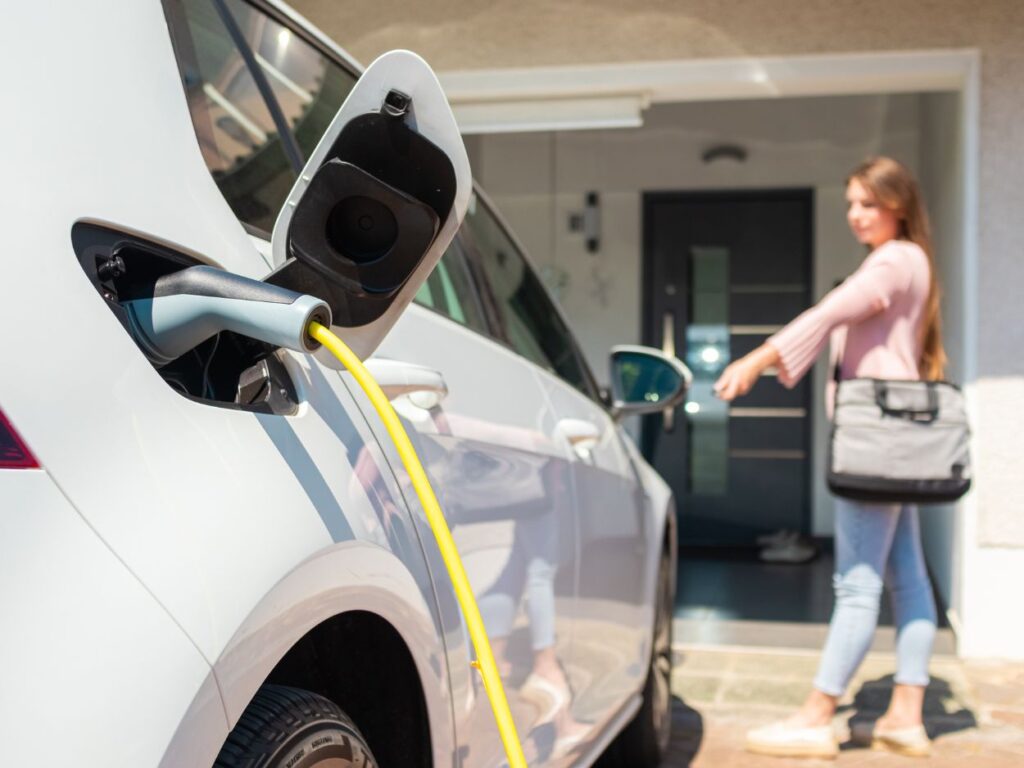
You made the wise decision to install an EV charger at home. Still, you must prepare before you can start dreaming of hassle-free charging. Consider building a house: You want a strong foundation so your future is not troubled. Below are some things you should consider to keep your setup secure, workable, and long-lasting.
Check the Electric System for “Bandwidth”
The primary component of your home’s electric panel is the center of your supply circuit. Just as you wouldn’t put ten appliances into one outlet, your panel should have enough capacity for the charger and all other devices. Most older houses were fitted with 100-amp panels, which may not be able to handle a Level 2 charger drawing anywhere from 30 to 50 amps. While upgrading to a 200-amp panel is best, an electrician can calculate load to determine whether your existing configuration works fine.
Pro tip: If your panel is fully charged, smart load management and similar technologies can prioritize charging without overloading circuits.
Location, Location, Location
You might be surprised to learn how important the location of your charger is. Choose an area that’s:
- Near your parking space: Less expensive installation and fewer trip risks result from shorter cable lines.
- For outdoor charges: Weatherproof standards are necessary; check for “NEMA 4” enclosures. If you’re in a wet location, consider a covered installation.
It’s easy to access and helps clear confined areas and tight corners. You’ll be grateful when you plug in during a deluge.
Safety Isn’t Optional
Cutting shortcuts is not an option because EV chargers consume much power. Always get a licensed electrician; doing it yourself runs the danger of causing fires or damaging your vehicle. They can make sure that everything complies with local laws and the National Electrical Code (NEC), including GFCI protection and appropriate grounding. Bonus: Professional installation is necessary for many rebates and incentives.
Permits: The Necessary Evil
Permits are your safety net, even if they might be a pain. They must verify that your configuration complies with the code in most cities. Ignoring this step may result in penalties, invalid warranties, or even problems with your insurance. Although your electrician often handles the paperwork, find out whether your landlord or HOA has any regulations (renters: certain states have “right-to-charge” legislation to aid!).
Future-Proof Your Setup
Consider adding a second EV down the road. Are you planning solar panels? Talk to your electrician about this. It is more cost-effective to install a more significant conduit or circuit today. Wi-Fi smart chargers are also worth looking into because they allow you to check energy use and plan charging for off-peak times (yay, lower prices!).
The “Hidden” Perks
Function is only one aspect of a sound installation. A strategically positioned charger may increase your house’s exterior appeal and value. If appearance is essential, use sleek, low-profile designs and integrated holsters to keep cords neat. Pedestal mounts keep ports off the ground if you’re in a snowy location.
Although installing an EV charger is not difficult, it is also not a weekend effort. Don’t skip the permissions; work with an expert and make plans. With some work, you can now enjoy years of stress-free charging and more time spent savoring the peaceful hum of your electric vehicle.
Keep in mind that your charger is an investment in the long run. Think about it as one.
Cost Expectations and Energy Usage: Balancing Upfront Investment and Long-Term Gains
Let’s discuss numbers. Putting an EV charger at home is expensive but still pays off often. There’s much to expect during these times, and here’s how to stretch budgets.
Upfront Costs: Level 1 versus Level 2.
The less expensive choice is Level 1 chargers, similar to your typical wall outlet. If your home’s wiring is ready, you may have to pay $300–600 for the equipment. However, expenses may be $2,000 if you want new outlets or panel changes. Level 2 chargers are the preferred option for quicker and more effective charging, costing between $400 and $1,500 for the device and between $700 and $2,500 for expert installation. What made you jump? Similar to what your dryer uses, they need a 240V connection and occasionally electrical improvements.
What Drives the Price Tag?
Three major factors:
- Your Home’s Wiring: Older homes may require panel modifications ($500−2,500) to manage the additional load.
- Complexity of Installation: Longer wire lengths or intricate designs lead to more labor time.
- Fees and Permits: Your electrician handles permits needed in most places ($100–500).
Slash Costs with Incentives
The good news is that 70% of US states provide tax credits or refunds. The federal government covers 30% of home charger installation expenses, up to $1,000. California’s “ChargeUpLA!” program provides up to 500, while utility programs in New York cover a portion of your setup. More substantial incentives, such as the Alternative Fuel Tax Credit (up to $30,000), are available to businesses and multifamily units. Expert advice: Use online rebate finders to uncover hidden discounts based on your zip code.
Energy Use: Smarter charging = Smaller Bills
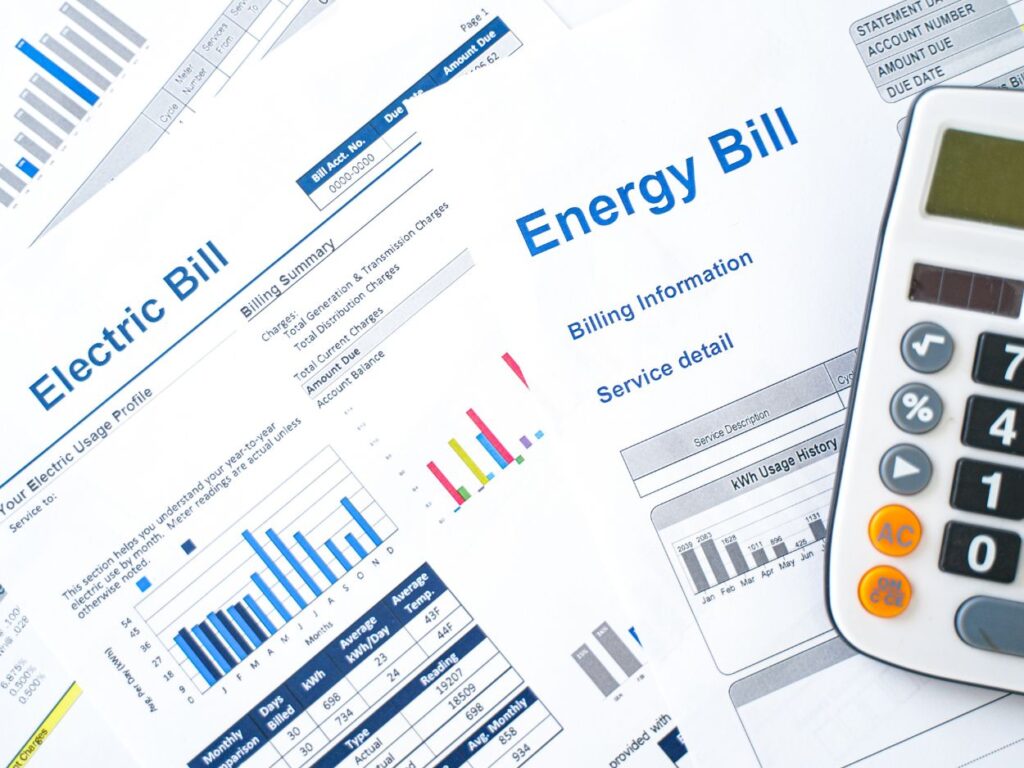
Innovative practices keep expenses low, but charging an EV at home increases your power bill by 20–30%. Pick time-of-use rates, which give electricity at night at a lower rate, or connect your charger to solar panels. Level 2 chargers have 10% higher efficiency than Level 1 chargers. Compared to gas, such efficiency can save 6,000–6,000–12,000 over ten years, and you’ll also avoid public charging markups.
The Bigger Picture
Indeed, if everyone charges during peak hours, EVs burden the system. However, off-peak scheduling and smart chargers aid in demand balancing. Not to mention the environmental benefit: Switching to electricity reduces emissions, mainly if you include renewable energy sources in your power mix.
Consider your charger as a long-term investment. Convenience, savings, and a reduced carbon impact make the initial expenditures worthwhile with incentives and energy-saving measures.
Future-Proofing Your EV Charging Setup: Stay Ahead of the Curve
Like a smartphone, replacing your EV charger every few years will be unwise because technology constantly evolves. Here’s how to create a configuration that adapts to your needs:
Upgrade Your Electrical Panel
Suppose the electrical panel in your house is older than your favorite pair of jeans. In that case, it may not be able to handle future demands. Modern panels (200 amps or more) can power multiple EVs or high-speed chargers. Subsequently, adding a second electric car or a quicker charger prevents expensive rewiring.
Choose Smart Chargers
Not all Wi-Fi-enabled chargers are decorative. They enable you to modify power use if your grid is under stress and plan charges for off-peak times, which can save you money. Some even put your house on a smart electrical diet, which balances the energy usage of your EV and household appliances.
Plan for Expansion
Install modular solutions that make it simple to add ports for businesses and homes with many cars. Consider it similar to constructing with LEGO blocks: begin small and grow gradually.
Bidirectional Charging: The Next Frontier
Imagine selling energy back to the grid or using your EV to power your house during blackouts. Chargers with this feature are starting to appear on the market as this “vehicle-to-grid” technology develops. Choosing a compatible model at once ensures you’ll be ready to switch tomorrow, even though it’s not yet widely used.
Having a little foresight now will save you money and hassles later. Your charger will age like a fine wine if you invest in flexibility rather than last year’s technology.
Final Thoughts
Installing an EV charger is a helpful step toward contemporary living and goes beyond simply keeping your car charged.
The obvious advantages include cutting charging expenses and avoiding congested public stations. The investment becomes apparent when combined with incentives that reduce up-front costs. Beyond individual benefits, however, each charger reduces our need for fossil fuels and moves us one step closer to a more environmentally friendly grid.
Are you prepared to change? Speak with a qualified electrician to create a configuration that works for you. Your decision to charge more intelligently at home streamlines your daily routine. It contributes to a cleaner, quieter future as EVs transform roadways throughout the globe. One plug at a time, let’s make the shift.