Both companies and households are reconsidering how they use power due to rising electrical bills and increasing environmental issues. Is there any positive news? Electrical automation is a beneficial tool that can be economical in managing energy wastage without compromising comfort or productivity.
This blog explores various methods available for homes and businesses, from simple things like LED lighting and smart power strips to advanced systems such as automatic HVAC and occupancy sensors. Whether you want an immediate or long-term solution, discover how automation will change your energy habits and bottom line.
Common Energy-Wasting Habits in Electrical Systems
Almost 25% of households in the United States pay over 6% of their monthly income on energy bills. In contrast, the average home pays more than $1,600 annually in electricity bills. The good news is that there are easy, automation-friendly solutions for many daily behaviors that increase these expenses, which may reduce energy waste by up to 25%.
We must find out where energy is lost and how to recover it.
Lighting Leaks
Energy is silently wasted by utilizing old incandescent light bulbs or leaving lights on in vacant spaces. Traditional light bulbs add needless kilowatt-hours, and 90% of their electricity waste is heat. Switch to LED lights, which last decades longer and consume 75% less energy. Connect them to smart lighting systems or motion-sensing switches to have lights turned off automatically when a room is empty.
Phantom Power Drain
Even when they are “off,” electronics like gaming consoles, TVs, and chargers use energy, which can cost up to $100 annually—these “energy vampires” lurk in standby mode, power clocks, and instant-on functions. Smart power strips prevent access by turning off inactive devices. Just unplug devices that you don’t use often.
HVAC Overdrive
More than half of household energy goes to heating and cooling. Systems must work harder when thermostat settings are amiss, or air filters are blocked. Smart thermostats save 10–15% annually by adjusting the temperature when you’re not home. Combine this with prompt filter replacements (set phone reminders!) to preserve efficiency and airflow.
Appliance Missteps
Regular trips to the refrigerator or half-full dishwashers add up. Underloaded dishwashers waste water and electricity, and every open refrigerator door allows cold air to escape. Plan your excursions to the refrigerator, and don’t use appliances until all the loads are full. Cold water successfully cleans laundry while using up to 90% less energy.
Overheated Water
Water heaters set at 140°F waste energy. Lowering the temperature to 120°F lowers expenses while still meeting daily demands. Bonus: To prevent heating water you never use, insulate hot water pipes and seal leaks.
Passive Energy Loss
Heat will leak through the windows during the summer, and there is inferior insulation in keeping heat in during winter—natural cooling by closing the curtains on hot days and then opening them at night. Use the opposite approach in the winter. Thermal curtains or smart blinds automate this procedure and block drafts to maintain temperatures.
Combining thoughtful practices with contemporary automation, such as power strips, thermostats, and bright lighting, may save you money. One tiny change at a time: you’re preparing your house for the future by preventing waste.
Electrical Automation Solutions for Maximum Energy Savings
Imagine cutting energy expenses to 70 percent without losing productivity and comfort. Advanced electrical automation systems capable of intelligent adjustments to the environment, habits, and weather make this a feasible option. These solutions are valuable tools to change how homes or businesses consume energy rather than being considered mere futuristic tools.
Let’s review three revolutionary technologies that assure efficiency and savings in the long term.
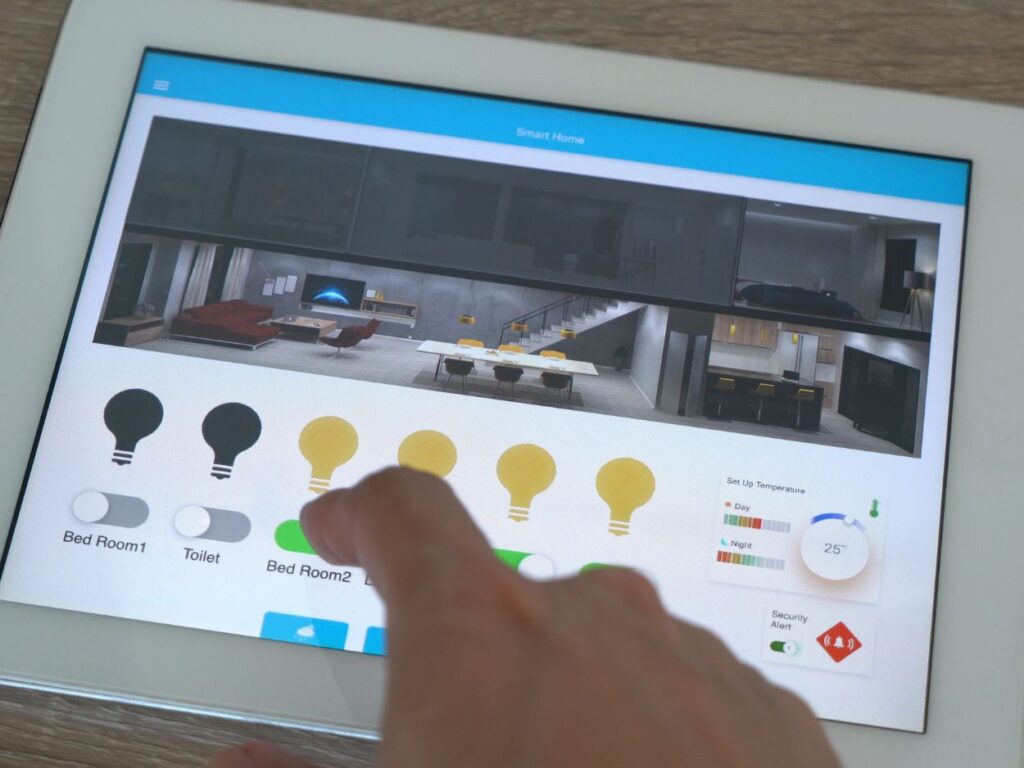
Smart Lighting: Shedding Light on Savings
Almost 15% of the power used worldwide is for lighting, while automated systems are turning on waste. These systems ensure lights only turn on when and where required by combining motion sensors, daylight detectors, and adaptive controllers. For instance:
- Occupancy sensors in home bathrooms or workplace conference rooms automatically switch down the lights when the area is vacant.
- Daylight harvesting dims lights near windows on bright days by adjusting artificial light levels according to natural sunshine.
- Smart systems work well with smart LEDs, which consume 75% less energy than conventional bulbs, increasing savings.
The Italian Association of Lighting Manufacturers claims smart lighting can cut energy usage in half. Motion-activated zones in warehouses may cut use by up to 70% while scheduling and dimming in residences can save 20–40%. What’s the key? Go for smart Systems that can “learn” your living space and adapt to it in real-time.
Smart Thermostats: Climate Control, Minus the Waste
More than half of a building’s energy budget contributes to heating and cooling. Smart thermostats address this by getting to know your surroundings and routines. For example, the sophisticated HVAC system at the GVS Smart headquarters reduced energy consumption by 50% with:
- Using weather forecasts to pre-cool or pre-heat areas before temperature rises is known as predictive adjustments.
- Zoning involves separating underused areas, such as vacant offices, at night to prevent unoccupied places from being conditioned.
- Incorporating adaptive learning to educate HVAC runtime during off-peak hours by memorizing occupancy patterns by heart.
This implies that homeowners won’t have to turn on the heat all night and will wake up to a comfortable home in the winter. Centralized controls that modify settings across whole floors help businesses save money without sacrificing comfort.
Smart Power Management: Slaying Energy Vampires
Did you realize inactive electronics secretly consume up to 10% of your energy bill? This “phantom load” is removed by smart power strips and programmable outlets, which switch off gadgets’ power when unused. For instance:
- Scheduled shut-offs: Turn off holiday decorations at sunrise or home office equipment automatically after work.
- Energy monitoring: Use applications to find energy-hungry appliances (such as outdated refrigerators) and modify their use.
- Integration of voice: To simplify control, use instructions such as “Alexa, turn off the entertainment system.”
In business environments, smart strips in lobbies or break rooms prevent chargers, TVs, and microwaves from using electricity all night. Combined with IoT-enabled technologies, they may provide real-time information to improve routines further.
The Bigger Picture: Long-Term Gains
Long-term investments in resilience rather than short-term savingsAutomatisation allows self-generated electricity stored by peak demand with renewables such as solar panels. Sensors from predictive maintenance systems. Forecasting HVAC problems before they become too serious will help organizations avoid expensive repairs and wasted energy.
What’s the outcome? Smarter, cleaner, and less expensive homes and companies. Automation transforms daily energy waste into long-term efficiency, whether it’s a thermostat that learns your routine or lights that change to the sun’s beat. Upgrade only one thing, and you’ll see the savings and environmental impact.
Supporting Automation Technologies to Amplify Savings
Consider your house or place of business as a living ecosystem, with HVAC, lighting, and other gadgets running in the background. But what if you could educate this ecosystem to “breathe” effectively and reduce waste without effort? Supporting automation technologies accomplish this, serving as the unsung heroes of more intelligent energy utilization. Look at three tools to boost your savings while operating in the background.
Motion & Occupancy Sensors: Your Energy-Saving Sidekicks
Picture entering a conference room where the lights flicker on, and the air conditioner adapts to your presence before shutting off as soon as you leave. Occupancy and motion sensors make this feasible. These devices use movement, sound waves, or heat signatures to identify activity—or lack thereof—and then send signals to systems to turn on or off.
- Customized Detection: Passive infrared (PIR) sensors detect body heat and are perfect for toilets or workplaces. Ultrasonic versions employ sound reflection detection to cover more significant areas, such as warehouses. Dual-tech sensors utilize both techniques to minimize false triggers in challenging regions.
- Savings in Action: Offices that use these sensors save 20–40% on lighting expenses. For instance, ultrasonic sensors might be used in a high-ceilinged warehouse to ensure that lights illuminate only filled aisles, preventing lights from being used constantly.
- Smart Setup: Pair sensors with programmable time delays to avoid compromising convenience and energy savings (for example, turn off lights after 15 minutes of inactivity). They maintain their accuracy with routine calibration in line with standards like ISO 50001.
Power Monitoring Tools: Your Energy Translator
Which gadget causes your energy cost to rise without anybody noticing? Devices and applications for power monitoring serve as interpreters, translating your energy use into helpful information.
- Real-time tracking: Smart plugs or strips, such as Kasa from TP-Link, track how much energy your coffee machine or TV uses. With apps like Sense, which expose hidden drains like an old refrigerator or an idle game console, utilization patterns are easy to understand.
- Automated Adjustments: Schedule devices based on these findings. For example, limit Christmas decorations to dusk-to-dawn operation or set smart plugs to turn off home office equipment after hours.
- Big-Picture Management: Companies may use platforms like Schneider Electric’s EcoStruxure to monitor energy usage throughout buildings. These platforms can identify inefficiencies instantly and redirect electricity to areas that need it most.
- Energy-Efficient Circuits: The Silent optimizer circuits serve as electrical highways behind your walls. Waste doesn’t block these roadways because of energy-efficient automation.
- Smart Load Management: During business hours, systems shut off power to inactive devices and prioritize critical ones, such as servers. Consider it the electrical equivalent of a traffic controller.
- Predictive Shut-Offs: Pair circuits with occupancy data to deactivate any idle zones. For instance, a smart thermostat may turn off air conditioning on vacant floors at night.
- Future-Ready Wiring: Fiber-optic-enabled circuit upgrades minimize energy loss and facilitate automation hubs, resulting in a smooth network that adjusts to your routine.
The Synergy Effect
When these tools are combined, they produce a ripple effect. Practical circuits redistribute conserved energy; sensors identify vacancies and monitoring applications warn of inefficient equipment. For example, a retail store may utilize occupancy sensors to turn down the unoccupied lights in aisles and power monitors to redirect excess energy to refrigerated units during peak hours.
Pro Tips for Success
- Match Sensors to Spaces: Use dual-tech when precision is essential (stairwells, for example), ultrasonic in wide spaces, and PIR in compact spaces.
- Calibrate Often: You can lose ten to twenty percent of possible savings due to poorly adjusted sensors—plan examinations to keep your performance at its best.
- Start Small: Start with a single sensor-equipped room or a smart plug. As you observe outcomes, scale.
Integrating these technologies into everyday operations creates a responsive, self-aware workplace that values efficiency rather than merely cutting expenses. The best thing about AI tools is that they operate quietly. You rest and relax while they work.
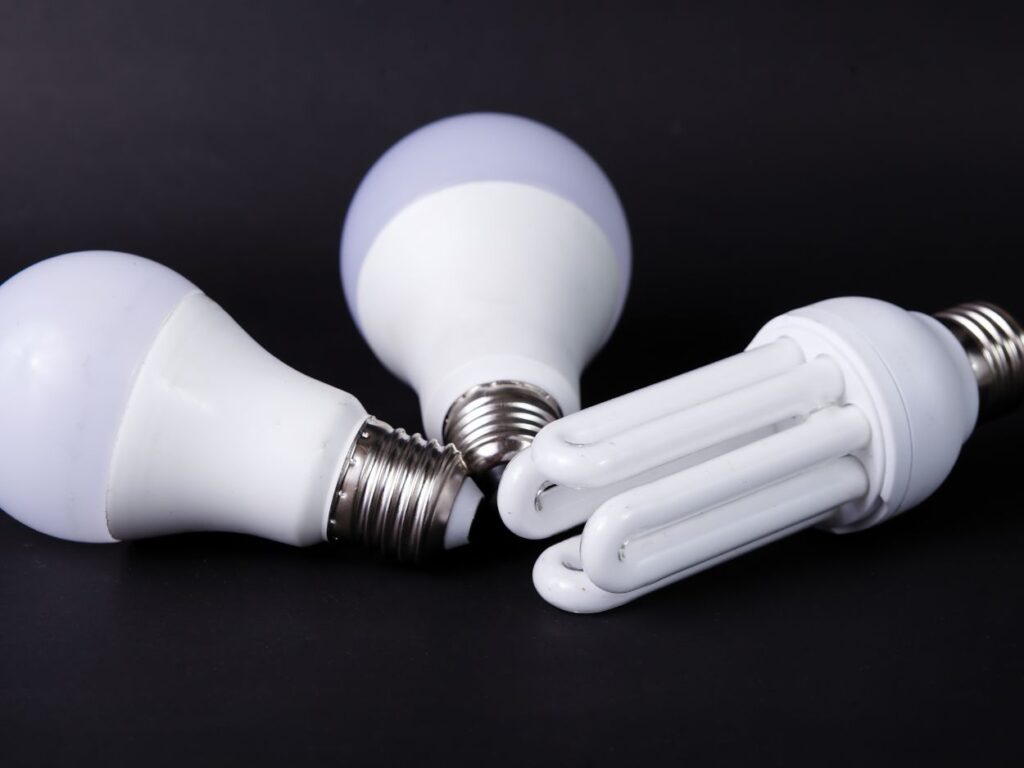
Quick Electrical Automation Wins for Immediate Savings
Simple electrical automation solutions are an alluring method to save money on energy costs right now without undertaking a significant overhaul. Switching to energy-efficient LED bulbs for your lighting is one of the easiest and most affordable solutions. LEDs have a much longer lifespan and consume less energy than conventional incandescent lamps. A 10-watt LED could save electricity compared with an ordinary 60-watt bulb, especially in a household or business place. However, the advantage comes best when these LED lights are combined with the most straightforward automation functions.
Adding motion sensors to your LED system can have a mighty impact. It ensures that the lights only turn on while in use in close spaces like hallways or outside areas. This will save energy and prevent one from remembering to switch them off. For example, lights that switch off when the area is not occupied save much energy in busy offices. Consider adding daylight sensors to save as much cash as possible. These devices help ensure that you do not use too much energy during the day by adjusting the brightness of your LEDs in response to natural light streaming in.
Smart power strips and intelligent surge protectors are another straightforward win. The truth is that even when most household appliances are turned off, they still consume energy; this is referred to as phantom energy consumption. A smart surge protector counters this by cutting off the power to all the connected devices whenever they are not in use. You can configure your desk computer, game console, or TV to go down automatically, thereby preventing the waste of energy. For a simple energy-saving boost, install some versions in areas like your workplace or home theater, including extra features like timers or built-in sensors.
It does not cost much to get started on the energy efficiency journey. Light bulbs should be the first thing to be upgraded. Secondly, install a smart surge protector that counts for some areas in high traffic or heavy usage. This would cut costs at the end of the month. Still, it’s also adding those easy, inexpensive changes toward more automated solutions in the future. Often, the most straightforward solutions are the most effective; in this case, creating an economical and ecologically friendly atmosphere takes only a few changes.
Implementation Steps for Homes and Businesses
Are you prepared to transform your area into a powerhouse that uses less energy? This detailed guide makes electrical automation easy and efficient for company managers and homeowners.
Step 1: Audit Energy Usage
Recognize where your energy is going first. Apps like Sense or Emporia Vue monitor homeowners’ use in real-time, exposing hidden drains like idle electronics or an aging refrigerator. Companies with intricate systems should consider hiring experts to do energy audits. These audits target high-impact changes and offer a thorough description of inefficiencies.
Step 2: Prioritize Upgrades
Upgrades are not all made equal. Start with the fundamental adjustments:
- LED Lighting: Replace incandescent bulbs with LEDs to save up to 90% on lighting expenses.
- Wiring Upgrades: Antiquated wiring should be replaced to allow automation and reduce energy losses.
- Add Automation Features: Motion sensors and smart thermostats for even more significant savings when the fundamentals are in place.
Step 3: Integrate Systems
Use a primary hub to tie everything together. Innovative assistants like Google Home or Alexa can control your house’s outlets, lights, and thermostats using a single app. Companies may automate lighting, security, and HVAC throughout their facility by investing in Building Management Systems (BMS).
Step 4: Monitor and Adjust
The answer to automation is not “set it and forget it.” Use monitoring tools to monitor performance and adjust settings. For instance, fine-tune lighting brightness to correspond with sunshine levels or modify thermostat schedules depending on occupancy data.
Following these procedures will turn your area into an efficient model, improving it individually. Watch the savings increase as you start small and scale wisely.
Conclusion
ElectronicElectronic automation-powdered advanced power strips, occupancy sensors, smart light bulbs, and smart thermostats can efficiently reduce energy waste can efficiently reduce energy waste. These solutions reduce your carbon footprint, increase the value of your home, and reduce costs.
Which one of these is best? Redesigning your entire system is not a necessity. You can begin by introducing one upgrade, such as installing a thermostat or switching to LEDs. From there, anything is possible. Small steps taken now will lead to huge savings later.
Are you prepared to manage how much energy you use? Start your automation adventure now and see how your house or place of business becomes more intelligent, eco-friendly, and productive.